Blog · crawl space encapsulation · Murfreesboro, TN
Crawl Space Encapsulation Cost: 2024 Murfreesboro Guide
What does crawl space encapsulation cost in Murfreesboro, TN? Real price ranges, cost per sq ft, and what drives the final number. Free estimates available.
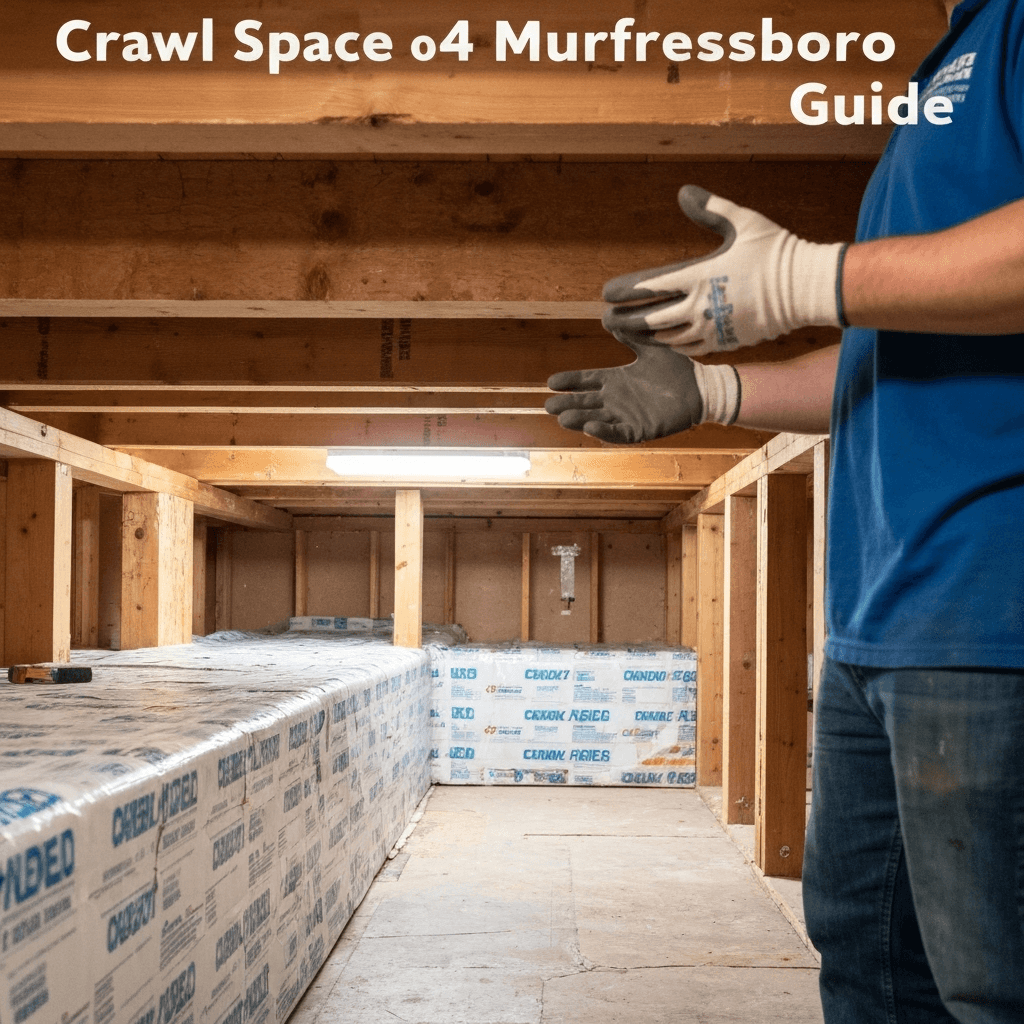
What Does Crawl Space Encapsulation Cost in Murfreesboro, TN?
Crawl space encapsulation cost is the first question most Murfreesboro homeowners ask — and it's a fair one. You're looking at a real investment, and you want to know what you're getting into before someone crawls under your house. Here's a straight breakdown of what jobs actually cost in Rutherford County, and what drives the number up or down. Call (629) 201-4952 for a free, itemized estimate on your specific home.
Average Price Ranges for Murfreesboro Homes
For a standard residential job in Middle Tennessee, here's what to expect:
| Home Size | Typical Range |
|---|---|
| Under 1,000 sq ft | $1,800 – $3,500 |
| 1,000 – 1,500 sq ft | $2,500 – $5,000 |
| 1,500 – 2,000 sq ft | $3,500 – $6,500 |
| 2,000+ sq ft | $5,000 – $10,000+ |
The average encapsulation cost per sq ft in this region runs roughly $3 to $7 for materials and labor combined. That range reflects the difference between a basic liner installation on a clean, dry space and a full system with drainage, dehumidification, and structural repairs.
What Drives the Cost Up
Several factors push the final number higher than the baseline:
- Active water intrusion — if there's standing water or a drainage problem, that has to be solved before the liner goes in. Sump pump installation adds $1,500–$3,500 on its own.
- Mold or wood rot — remediation and structural repairs are priced separately from the encapsulation itself
- Liner grade — 20 mil reinforced liner costs more than 12 mil, but lasts significantly longer in Tennessee's humidity
- Access difficulty — low clearance, multiple access points, or a heavily cluttered space adds labor time
- Dehumidifier — a properly sized commercial unit adds $800–$1,800 to the project
Encapsulation Cost for a 1,500 Sq Ft Home
A 1,500 sq ft footprint is one of the most common sizes we see in Murfreesboro's established neighborhoods. For a clean, dry space with no drainage issues, expect to pay $3,500–$5,500 for a complete encapsulation with 16 mil liner, wall coverage, seam sealing, and vent closure. Add a dehumidifier and you're looking at $4,500–$7,000 total.
For a 1,000 sq ft space, the same scope typically runs $2,500–$4,000.
What's Included in a Professional Installation
A complete job from our crew includes:
- Full floor and wall liner coverage
- Seam taping and penetration sealing
- Vent sealing
- Debris removal and haul-off
- Final moisture reading
- Written warranty documentation
Call (629) 201-4952 to get a written estimate for your home — we'll measure the space, photograph any problem areas, and give you a line-itemed number before any work starts.
Is the Cost Worth It?
For most Murfreesboro homeowners, yes — and the math is pretty clear. Moisture damage to framing and flooring costs far more to repair than encapsulation costs to prevent. Energy savings from reduced humidity load on your HVAC system typically run $200–$500 per year. And homes with documented encapsulation systems tend to sell faster and at higher prices in Rutherford County's competitive market.
For a deeper look at the value question, see our post on whether encapsulation is worth it.
Frequently Asked Questions About Encapsulation Cost
Does the cost of encapsulation include a dehumidifier?
Not always — it depends on the quote. Our estimates break out the dehumidifier as a separate line item so you can see exactly what you're paying for. Some spaces don't need one; others absolutely do. We'll tell you which category yours falls into.
Is there financing available for encapsulation in Murfreesboro?
Yes. We work with financing partners to help spread the cost over time. Ask about current options when you call (629) 201-4952.
How does the cost per square foot compare to DIY?
DIY materials alone run $1–$3 per sq ft for liner and supplies. Professional installation adds labor, but also adds proper sealing, warranty coverage, and the expertise to catch drainage or structural issues before they become bigger problems. See our DIY vs. professional post for a full comparison.