Blog · crawl space encapsulation · Murfreesboro, TN
Is Crawl Space Encapsulation Worth It? Murfreesboro Homeowners Guide
Is crawl space encapsulation worth it for Murfreesboro, TN homeowners? Real benefits, honest drawbacks, home value impact, and what to expect. Free estimates.
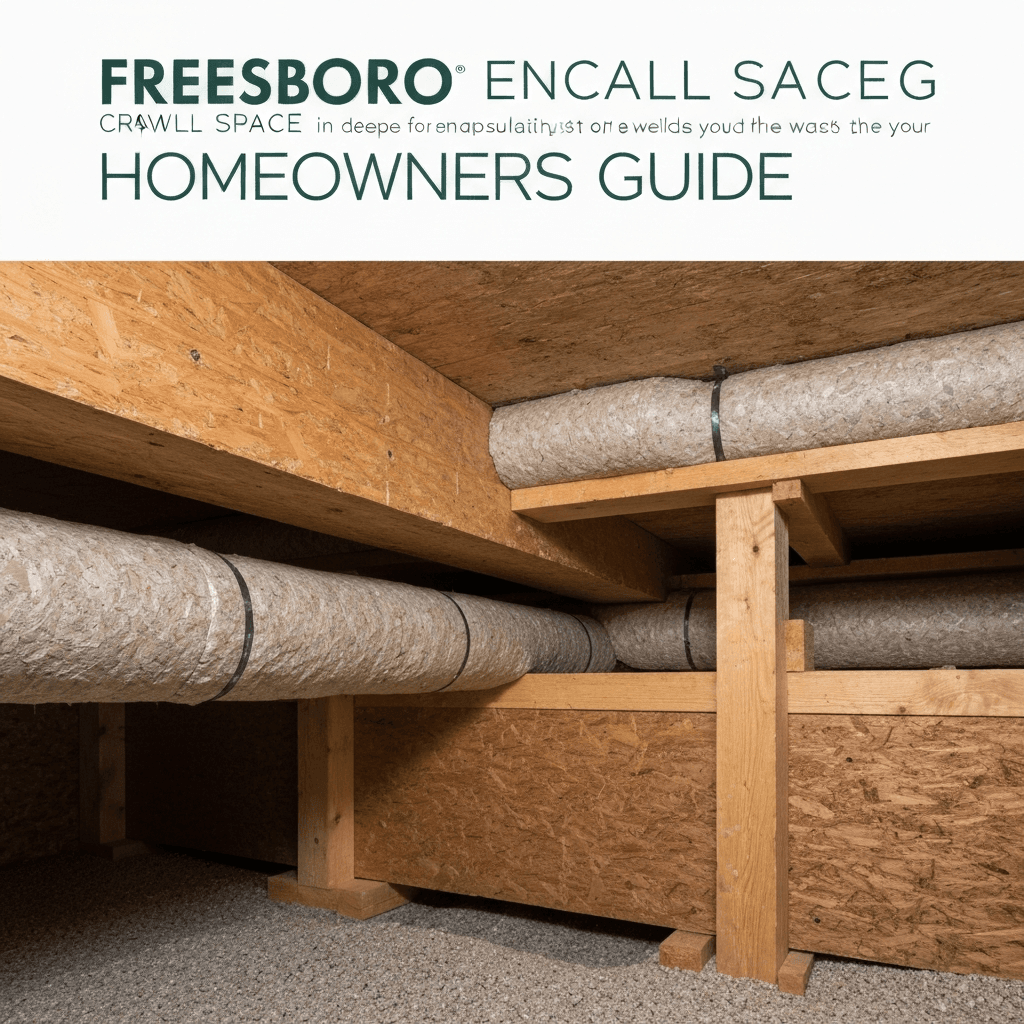
Is Crawl Space Encapsulation Worth It for Murfreesboro Homeowners?
Let's answer the question directly: is crawl space encapsulation worth it? For most homes in Middle Tennessee — yes, and often by a significant margin. But the honest answer depends on what's actually happening under your house. This post breaks down the real benefits, the legitimate drawbacks, and what the data says about home value impact in Rutherford County. Call (629) 201-4952 if you want a free inspection before making a decision.
The Case For Encapsulation
Moisture Damage Prevention
This is the core argument. Murfreesboro's climate — hot, humid summers and wet springs — creates persistent ground moisture that migrates upward through an unprotected dirt floor. Over time, that moisture causes wood rot in joists and sill plates, mold growth on framing, and eventually structural damage that costs far more to repair than encapsulation costs to prevent.
We regularly see homes in Rutherford County where the subfloor is soft, the joists are compromised, and the repair bill runs $5,000–$15,000. A $4,000 encapsulation job five years earlier would have prevented all of it.
Indoor Air Quality
Research consistently shows that a significant portion of the air in your living space comes from below the floor — through gaps, penetrations, and the natural stack effect. A sealed, dry space means fewer mold spores, less dust mite activity, and reduced musty odors throughout the home. Families with allergy or asthma concerns often notice a real difference.
Energy Efficiency
A properly encapsulated and conditioned space reduces the humidity load on your HVAC system. In Tennessee's summers, that translates to real energy savings — typically $200–$500 per year depending on home size and system efficiency. Over a 10-year period, that's $2,000–$5,000 back in your pocket.
Home Value Impact
Does encapsulating a space increase home value? In Murfreesboro's market, yes — and it's increasingly a selling point that buyers and their inspectors look for. A documented encapsulation system with a transferable warranty can differentiate your home in a competitive listing situation and reduce the likelihood of a price reduction after inspection.
Real estate professionals in Rutherford County generally estimate a return of 50–75% of the project cost in added home value, with the additional benefit of faster sale timelines.
The Honest Drawbacks
Fair is fair — here are the legitimate negatives:
- Upfront cost — $3,000–$8,000 is real money, and not every homeowner has it available
- Ongoing maintenance — the dehumidifier needs to be emptied or drained, and the system should be inspected annually
- Not a fix for active drainage problems — if you have a grading or drainage issue, encapsulation alone won't solve it
- Requires proper installation — a poorly installed system can trap moisture rather than manage it
None of these are reasons not to do it — they're reasons to do it right.
Before and After: What to Expect
A typical before-and-after in Murfreesboro looks like this:
Before: Dirt floor with visible moisture, musty odor in the living space, humidity readings of 70–85% under the house, possible mold on lower joists.
After: White liner covering floor and walls, humidity readings below 55%, no musty odor, joists dry and stable, dehumidifier maintaining the space year-round.
The difference is visible and measurable. We document moisture readings before and after every job.
The Bottom Line
For a Murfreesboro home with any history of moisture, musty odors, soft floors, or mold — the answer is yes, it's worth it. For a home with a completely dry, problem-free space, the value calculation is less urgent but still positive over a 10-year horizon.
Call (629) 201-4952 for a free inspection. We'll tell you honestly what we find and what we'd recommend — including if we think you don't need the full treatment.
For cost details, see our encapsulation cost guide.