Blog · crawl space encapsulation · Murfreesboro, TN
What Is Crawl Space Encapsulation? A Plain-English Guide
What is crawl space encapsulation and how does it work? Plain-English explanation for Murfreesboro, TN homeowners. Process, materials, costs & common mistakes.
What Is Crawl Space Encapsulation?
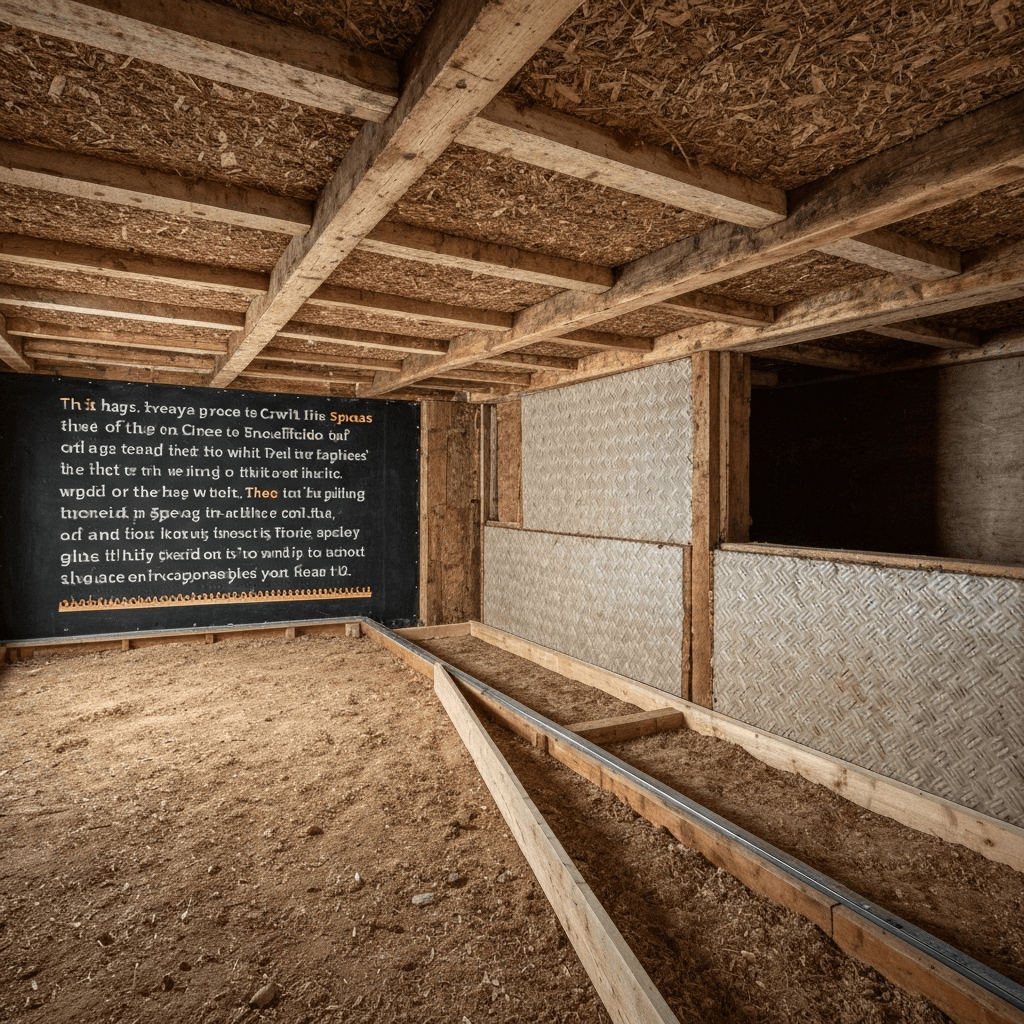
What is crawl space encapsulation? It's the process of sealing the floor, walls, and sometimes ceiling of the space beneath your home with a heavy-duty vapor barrier, then managing whatever moisture remains with a dehumidifier and sealed vents. The goal is to turn a damp, uncontrolled environment into a dry, stable one. Call (629) 201-4952 if you want a free look at what's happening under your Murfreesboro home.
The term gets used loosely — some contractors call a basic plastic sheet on the floor "encapsulation." A real encapsulation system covers the walls too, seals every seam and penetration, and includes active moisture management. The difference matters a lot in Middle Tennessee's climate.
Why the Space Under Your Home Matters
Most homeowners don't think much about what's under their floors until something goes wrong — a soft spot, a musty smell, a high energy bill. But the conditions in that space directly affect the rest of the house.
Ground moisture migrates upward through an unprotected dirt floor. In Rutherford County, where clay soil holds water long after rain events and summer humidity regularly hits 80%+, that migration is constant. The moisture reaches the wood framing, promotes mold growth, attracts pests, and eventually works its way into the living space through gaps and the natural stack effect.
How the Encapsulation Process Works
Here's what a proper installation looks like, step by step:
Step 1 — Inspection. We photograph the space, measure square footage, check for standing water, mold, and structural damage. This determines what prep work is needed before the liner goes in.
Step 2 — Prep and repairs. Debris removal, mold treatment if needed, drainage installation if there's active water intrusion, and any structural repairs to joists or sill plates.
Step 3 — Liner installation. Heavy-duty reinforced polyethylene (12–20 mil) is laid across the floor and up the walls, overlapping at seams and wrapped around every pier and column.
Step 4 — Sealing. Every seam is taped with manufacturer-rated tape. Every penetration — pipes, wires, columns — is individually sealed. Foundation vents are closed off.
Step 5 — Dehumidifier installation. A commercial-grade unit sized to the square footage is installed and wired. This maintains humidity below 55% year-round.
Step 6 — Final documentation. We take moisture readings before and after, photograph the finished work, and provide warranty documentation.
Does Encapsulation Really Work?
Yes — when it's done correctly. The before-and-after difference in Murfreesboro homes is measurable: humidity readings that were 75–85% drop to below 55%. Musty odors disappear. Floors that were soft stabilize. Mold stops growing because the moisture that fed it is gone.
The installations that fail are the ones that skip steps — no wall coverage, poor seam sealing, no dehumidifier, or installing over existing moisture problems.
5 Common Encapsulation Mistakes to Avoid
- Floor-only coverage — leaving the walls bare lets moisture continue migrating in from the sides
- Thin liner — hardware-store plastic tears easily and doesn't seal properly at seams
- Skipping penetration sealing — every unsealed pipe or wire is a moisture pathway
- No dehumidifier — in Tennessee's climate, passive sealing alone often isn't enough
- Installing over mold — sealing mold in doesn't kill it; it continues growing under the liner
Encapsulation vs. a Basic Vapor Barrier
A vapor barrier is a component of encapsulation — it's the liner itself. Encapsulation is the complete system: liner, wall coverage, sealing, vent closure, and active moisture management. A basic vapor barrier loosely laid on the floor is better than nothing but falls well short of what a full encapsulation system delivers.
For a cost breakdown, see our encapsulation cost guide. For the DIY vs. professional question, see our comparison post.
Call (629) 201-4952 to schedule a free inspection in Murfreesboro or anywhere in Rutherford County.